How to Plan a Small Wedding: A Step-by-Step Guide to a Perfect Intimate Day
How to Plan a Small Wedding: A Step-by-Step Guide to a Perfect Intimate Day
Planning a small wedding can be a daunting task, especially when it comes to creating an intimate and memorable experience for your closest friends and family. With a guest count of under 50, every detail matters, from the venue and decor to the food and timeline. In this guide, we’ll walk you through the steps to plan a perfect small wedding, focusing on practical tips and real-life considerations to help you achieve your vision.
Step 1: Define Your Guest Count Limit and Establish Core Priorities

To start planning a small wedding, you need to set a strict guest count limit, typically under 50 guests. This can be a challenging task, especially when faced with pressure from family members. It’s essential to remember that pruning your guest list is a normal part of the planning process.
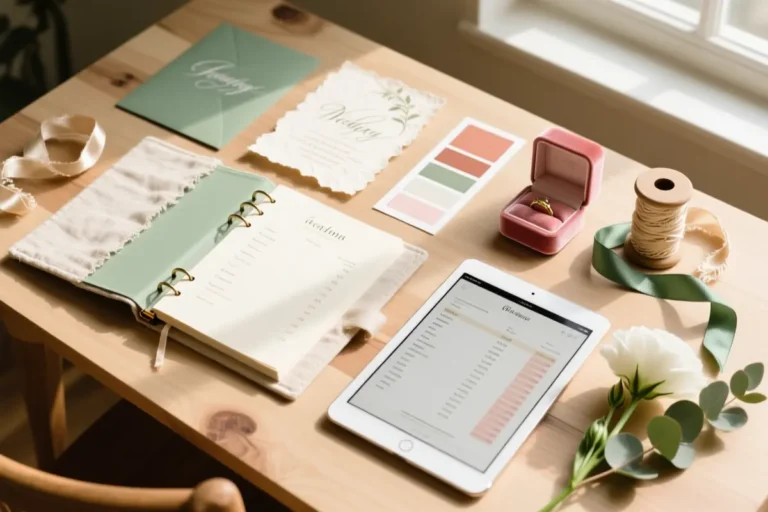
Begin by making a list of your absolute must-haves, then prioritize them. Consider what matters most to you as a couple, such as fine dining, stunning florals, or a live band.
Establishing a clear priority list will help you stick to your budget and prevent scope creep.
For example, if exquisite food is a top priority, you may need to compromise on the number of decorations or the size of the wedding cake.
A practical tip is to categorize your priorities into “must-haves,” “nice-to-haves,” and “can-live-without.” This will help you visualize what you can realistically afford and what you can cut back on.
Remember, the key to a successful small wedding is to stay focused on what truly matters to you as a couple, and be willing to make tough decisions to ensure your special day remains intimate and memorable.
Step 2: Secure an Intimate Venue with Built-In Character
When planning a small wedding, the right venue can make all the difference. Non-traditional venues like boutique restaurants, private gardens, and historic libraries can provide built-in character and intimacy.
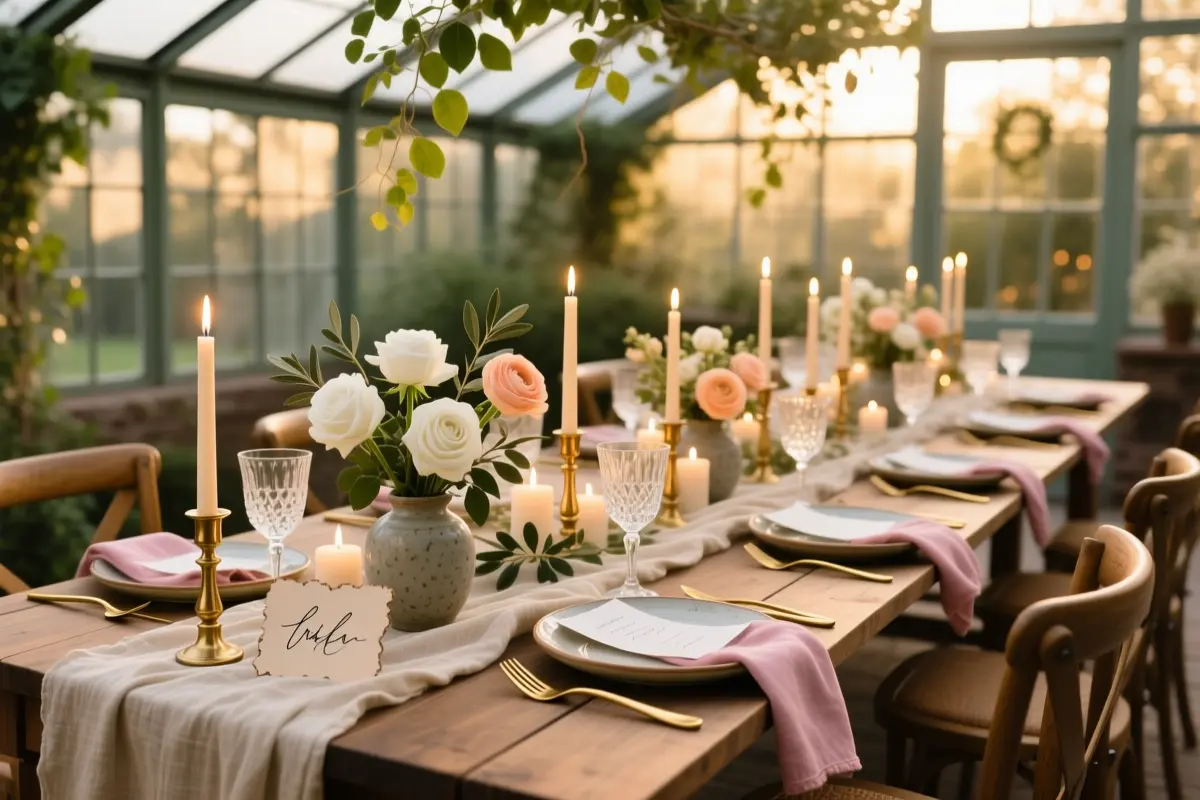
Consider a greenhouse, for example, with its lush greenery and natural light, which can create a romantic ambiance without needing extensive decorations.
A key consideration is the trade-off between raw spaces and all-inclusive intimate venues. While raw spaces may offer flexibility, they often come with hidden costs and logistical constraints, such as renting equipment, hiring staff, and coordinating vendors.
All-inclusive venues, on the other hand, may offer a more streamlined experience, but it’s essential to evaluate their suitability for a small gathering.
To assess a venue’s suitability, consider factors like acoustic comfort and space proportions. A venue with good acoustics can ensure that your guests can converse comfortably, while proportionate spaces can create a sense of warmth and intimacy.
Evaluate the venue by asking questions like: Can we accommodate our guest list comfortably? Are there any noise restrictions or limitations? Are the spaces flexible to accommodate different activities, such as a ceremony, cocktail hour, and reception?
By carefully evaluating these factors, you can find a venue that perfectly complements your small wedding vision.
Step 3: Design an Immersive Tabletop and Ambient Decor Concept
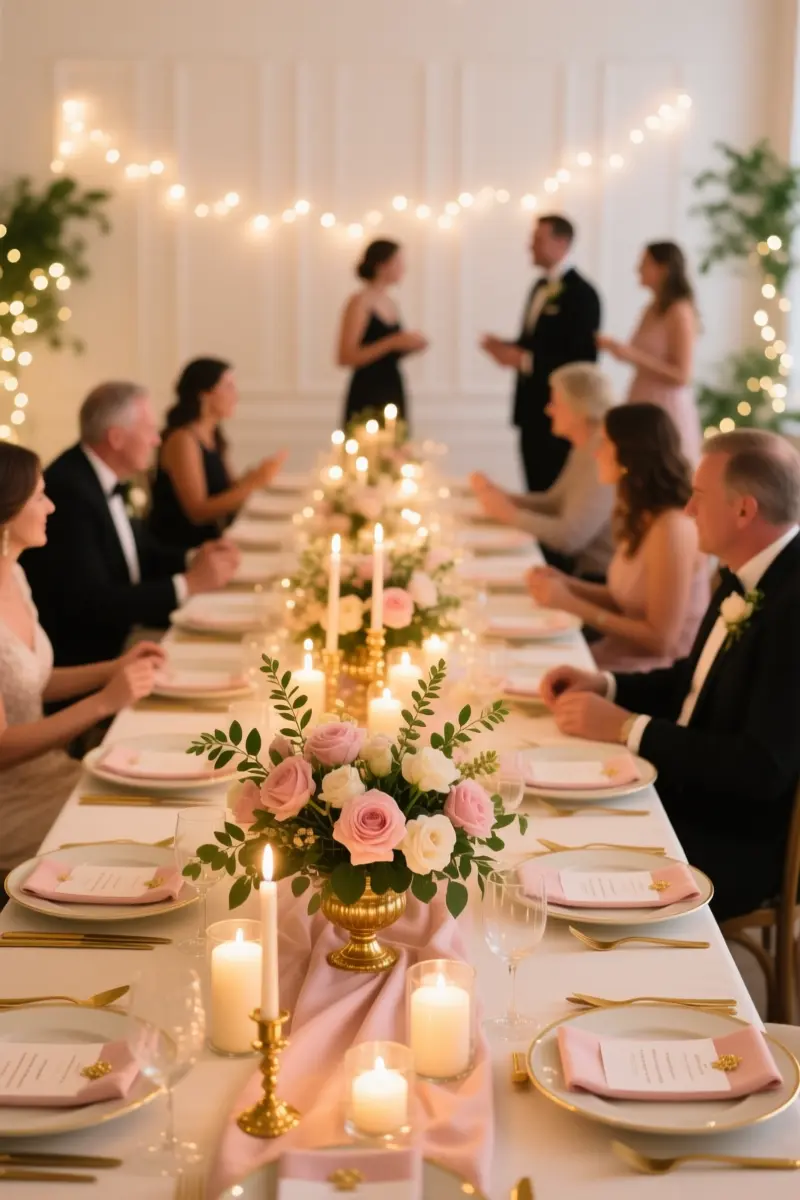
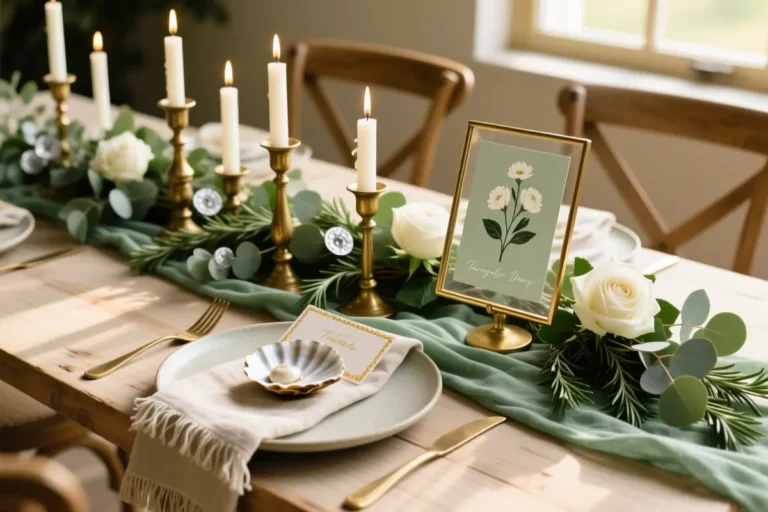
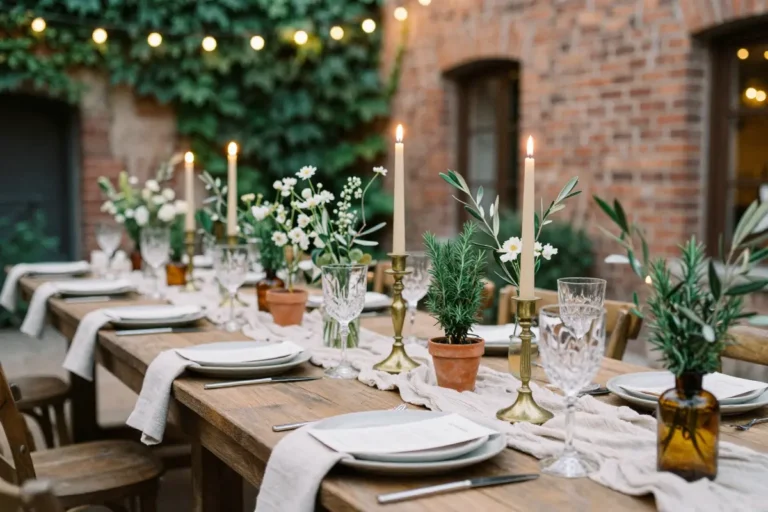
To create an immersive tabletop and ambient decor concept, start by scaling your tablescapes to fit your intimate guest list.
Consider using long family-style banquet tables or a single large U-shape setup to encourage conversation and community. Proper lighting is also crucial, and combining candlelight with fairy lights can add warmth and depth to the space.
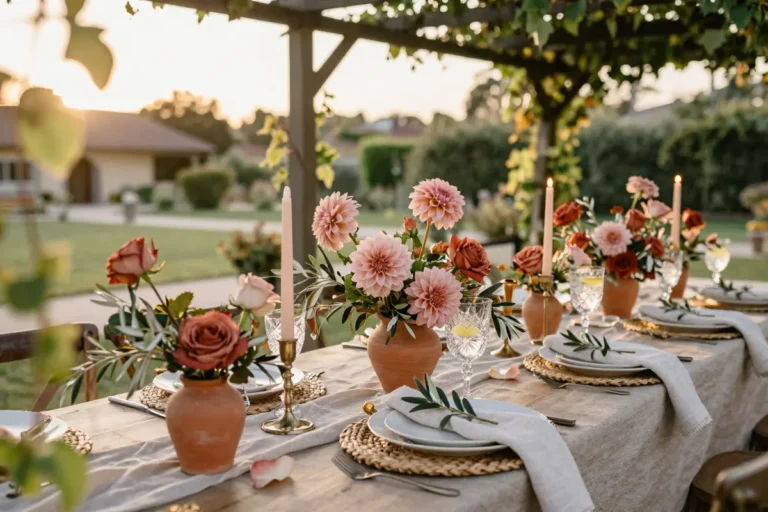
When it comes to floral arrangements, apply the ‘rule of three’ by grouping flowers, greenery, and decorative elements in trios to create visual balance.
This approach helps make the space feel curated rather than empty. Investing in premium rental plates, linens, and personalized place cards can also elevate the aesthetic, and since you’re planning a small wedding, you can allocate your budget to these high-impact details.
A practical tip is to choose a cohesive color palette and carry it through the decor, from the flowers to the linens and place cards. This will help tie the entire space together and create a sense of cohesion.
Step 4: Craft a Custom Food and Wine Experience
To create a memorable dining experience for your small wedding, consider a multi-course tasting menu. This format allows guests to savor each dish and appreciate the flavors and presentation.
Interactive chef stations can also add a fun and engaging element, enabling guests to watch their meals being prepared and interact with the chefs. Bespoke wine pairings can elevate the experience further, with each course carefully matched to a specific wine.
For small groups, this approach works better than traditional buffet lines, as it encourages conversation and intimacy.
When dealing with common food-restriction challenges, such as gluten-free or vegan diets, a tasting menu can be easily adapted to accommodate these needs. A budget-friendly alternative to a full dinner reception is a high-end brunch or cocktail-and-tapas style reception.
This format offers a range of smaller, shareable dishes and can be just as elegant and sophisticated as a full dinner. By focusing on quality over quantity, you can create a unique and unforgettable culinary experience for your guests.
A practical tip is to work closely with your venue or caterer to customize the menu and ensure that it reflects your personal taste and style.
Step 5: Streamline a Relaxed Day-Of Timeline Focused on Connection
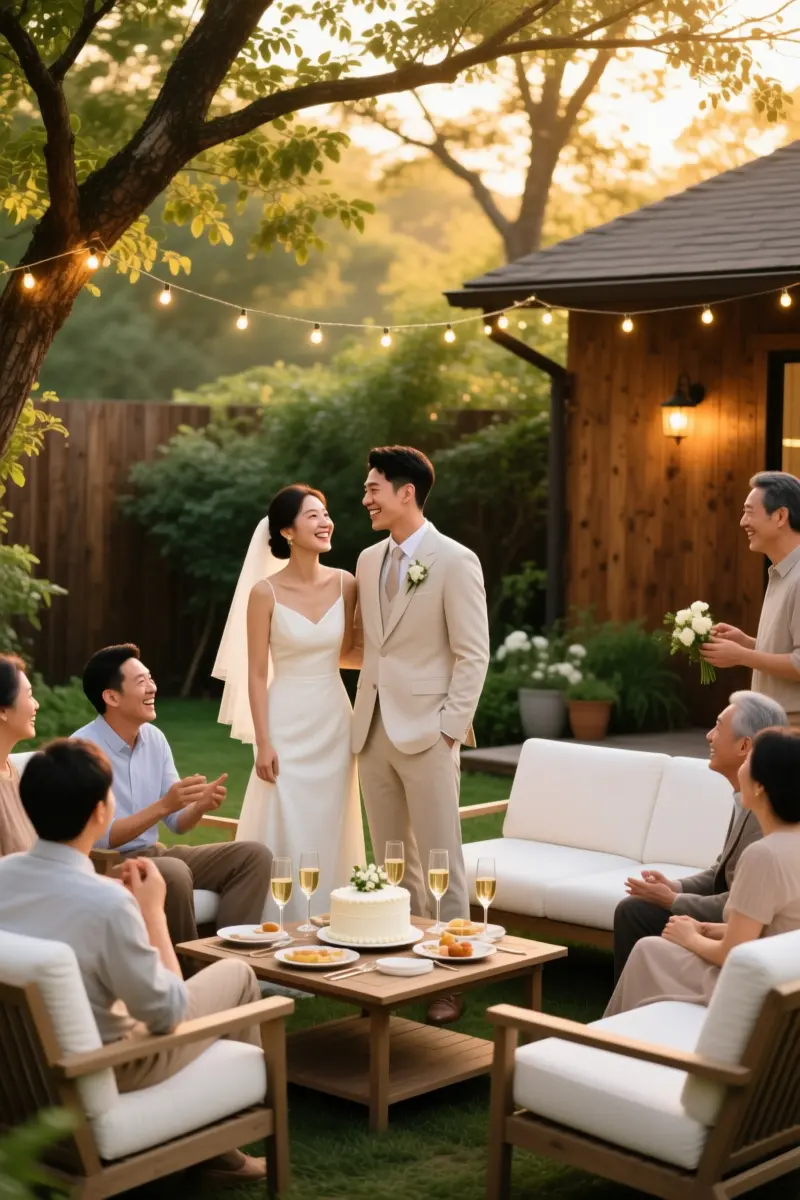
To create a relaxed and intimate atmosphere at your small wedding, consider streamlining your day-of timeline to focus on connection and guest interaction.
A slower-paced schedule allows you to actually talk to every guest and enjoy your own party. For example, you can skip the grand entrance and instead have a casual gathering spot where guests can mingle with you before the ceremony.
This approach also enables you to allocate more time for meaningful interactions, such as a wedding brunch or a post-ceremony cocktail hour.
By doing so, you can minimize rushed transitions and create a more authentic, memorable experience.
A practical tip is to limit speeches to just a few close family members or friends, keeping them brief and heartfelt. This way, you can maintain a warm and engaging ambiance throughout the celebration.
By adapting or skipping traditional milestones, you can save time and budget, which can be allocated to more significant aspects of your special day, such as food, decor, or photography.
Ultimately, a flexible and relaxed timeline enables you to savor every moment with your loved ones, making your small wedding a truly unforgettable experience.
Your Dream Wedding Awaits
By following these steps and prioritizing what matters most to you, you’ll be well on your way to creating a truly unforgettable small wedding. Remember to stay flexible, enjoy the process, and don’t hesitate to reach out for inspiration or advice along the way.
Save this guide for later and start planning your special day – your dream wedding is just a few details away. Bookmark this article for your next wedding planning session and share it with your partner or wedding party to get everyone on the same page.
Frequently Asked Questions
What is considered a small wedding guest count?
A small wedding typically has between 30 and 50 guests. Celebrations with fewer than 20 guests are generally classified as micro-weddings, while those with 50 to 75 guests sit on the larger end of the intimate wedding spectrum.
How do you politely tell people they are not invited to your small wedding?
Be direct, warm, and consistent by stating that you have chosen to host an intimate, immediate-family-only ceremony due to venue capacity. You can also offer to celebrate with them individually at a later date or share a link to live-stream the ceremony.
Is a small wedding significantly cheaper than a traditional one?
While a smaller guest count dramatically lowers food, beverage, and invitation costs, the overall price depends on your choices. Many couples use the savings to invest in high-end luxury details, premium dining, and guest lodging, which can keep the overall budget similar to a larger, standard wedding.
What are the best venues for hosting a small wedding?
The best venues for intimate weddings include boutique hotels, private estates, upscale restaurants, art galleries, botanical greenhouses, and historic bed and breakfasts, as these spaces naturally feel cozy without requiring massive amounts of decor.