
18 Small Wedding Ideas on a Budget That Feel Intentional, Not Cheap
18 Small Wedding Ideas on a Budget That Feel Intentional, Not Cheap
When you book a neighborhood bistro’s private dining room for a 22‑person celebration, the total can come in under $3,000. Trimming the guest list is the single most powerful lever for a sub‑$10k wedding.
With fewer seats, you can trade a grand ballroom for intimate spaces without feeling you’ve skimped on atmosphere.
Expect to negotiate smaller packages from caterers, photographers, and florists, but you’ll still walk away with a polished ceremony, a satisfying meal, and photos that feel like a magazine spread.
The ideas below show how to allocate every dollar so the day feels truly intentional, comfortably affordable, and far from cheap.
1. Private Dining Room in an Established Neighborhood Bistro
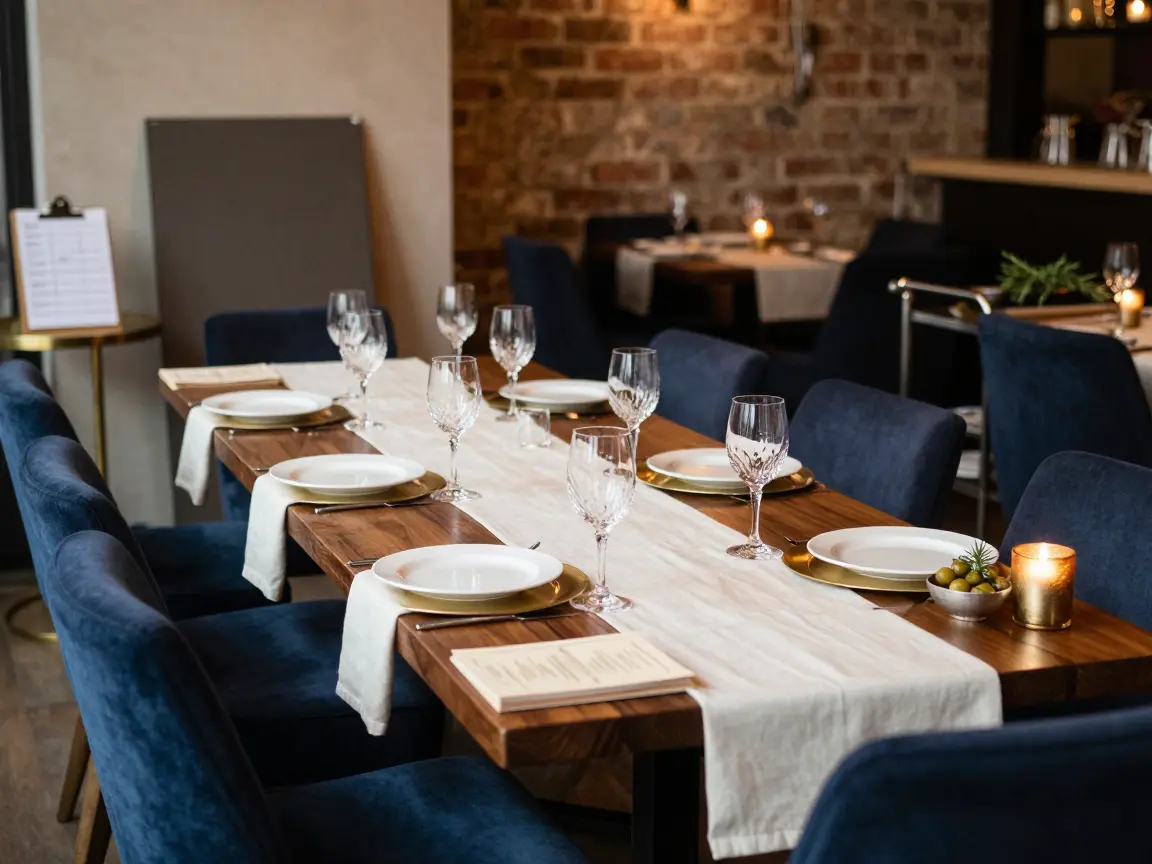
Booking the bistro’s back‑room lets you serve 20‑35 guests without a separate venue bill, but you give up a custom timeline and a dedicated dance floor.
The restaurant covers staff, tables, chairs, white linens, glassware and plateware, so you avoid the $400‑$5,000 venue hire many halls charge.
Compare the food‑and‑drink minimum, about $2,000 for a small room, to a traditional venue dry‑hire that can start at $1,500 plus separate rentals.
A quick tip: visit the space at the time of day you’ll celebrate and clap your hands; if the echo is harsh, ask the manager about portable acoustic panels.
If you need a larger floor for dancing or want full control over lighting, consider a community hall that rents empty space.
This option works best for couples in their 20s‑30s who prefer a relaxed, seated dinner.
A splurge version upgrades to a boutique bistro with a $5,000 minimum and custom lighting.
The budget‑friendly version sticks to a neighborhood café with a $2,000 minimum.
- All‑inclusive staffing
- No venue hire fee
- Limited timeline control
- No dance floor
- Neighborhood café minimum: about $2,000
- Boutique bistro minimum: about $5,000
Some venues enforce strict 2‑hour table turns
2. Public Park Pavilion Ceremony with Municipal Permits
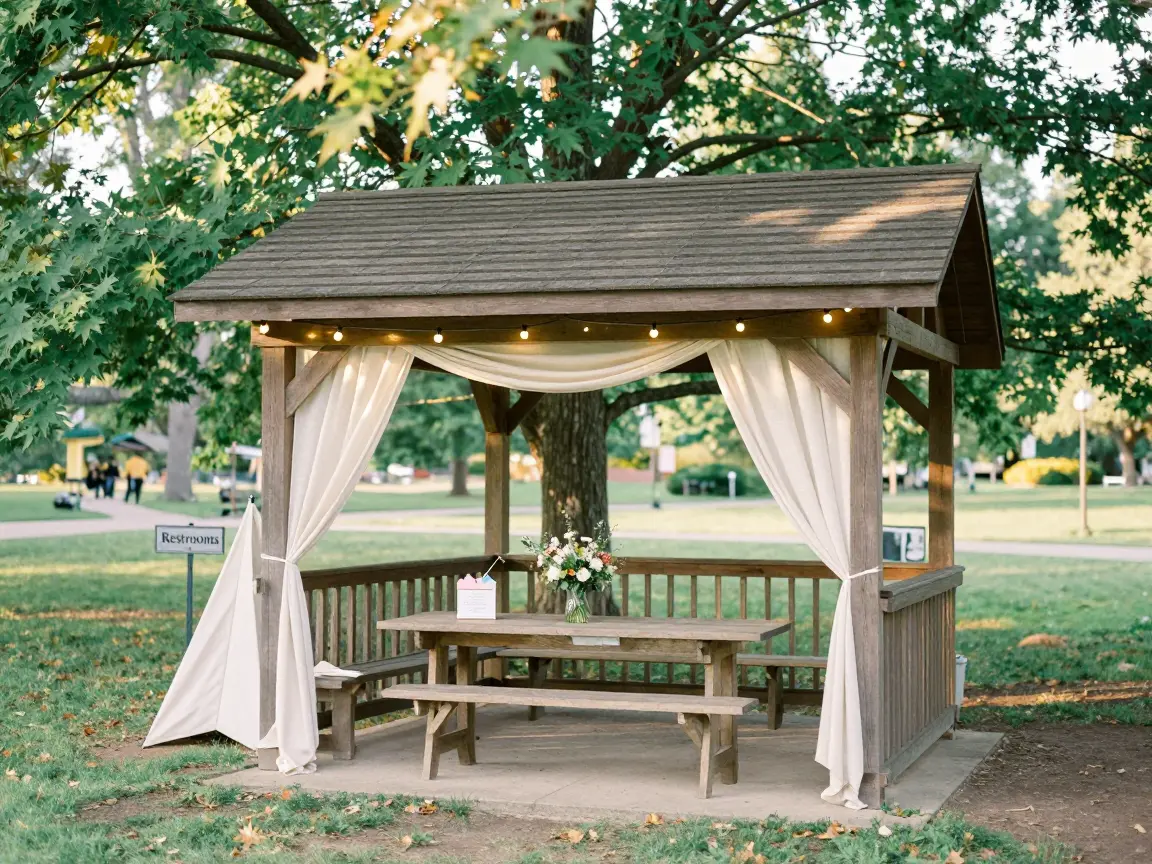
A shaded pavilion tucked behind a grove of maples creates a natural frame for midday photos while keeping guests out of direct sun.
Reserve the space with a municipal permit that runs $75 to $300 for a half‑day, then file at least 30 days ahead.
Bring a portable canopy as a backup if rain threatens, and confirm restroom locations with the park office.
Public park permits offer unbeatable affordability, but you surrender total privacy, sharing the area with casual visitors and occasional noise.
For a splurge, hire a décor firm that adds draped fabric and ambient lighting for $3,500.
A budget‑friendly option is DIY burlap runners and string lights for under $150.
- Low cost
- Scenic backdrop
- Shared space
- Possible noise
- Permit fee: $75 to $300
- DIY décor: $100 to $150
- Permit application
- Backup canopy
- Restroom map
3. Single Long Banquet Table with Family-Style Platters

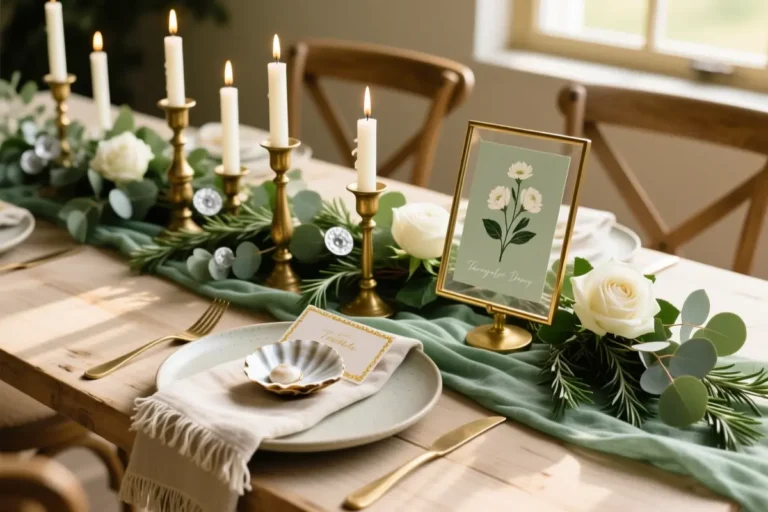
A 12‑foot reclaimed pine table stretches down the venue, its smooth surface lined with a muted ivory runner that covers just the middle third, leaving ample room for shared platters.
A 12‑foot table seats about 12‑14 guests, so a 25-30 person wedding needs two tables set end to end, or one 20‑foot table. Seating guests side‑by‑side keeps conversation flowing like a dinner party, and the open space means you can skip bulky floral pedestals.
Use low, tapered candles tucked into glass hurricane vases and scatter seeded eucalyptus sprigs along the runner for a fragrant, budget‑friendly focal point.
Family‑style serving lets guests pass dishes, but the platters occupy most of the tabletop, so elaborate centerpieces must stay small.
This setup shines for intimate weddings where everyone knows each other, since a single table keeps all conversation in one group.
- Intimate vibe
- Easy conversation
- Limited centerpiece space
- Requires careful plating
Place platters on the runner’s outer edges to maximize centerpiece room
4. Morning Vows Followed by a Full Courtyard Brunch

Running up a dinner‑style budget can make a small wedding feel pricey, so shifting the ceremony to 10:30 AM and serving a savory waffle, quiche, and pastry brunch cuts costs dramatically.
A brunch reception costs 30‑40% less per head than dinner, and venue rentals in off‑peak morning hours shave another 20‑40% off the bill.
Bar packages drop to $25‑$40 per person, so plan a mimosa bar with one bottle of sparkling wine per eight guests to avoid waste.
A common mistake is forgetting that hair and makeup must start at sunrise, leaving little wiggle room for delays.
This format shines for intimate gatherings of 30‑50 guests, especially couples who prefer a relaxed vibe over a late‑night dance floor.
Splurge on a live pastry chef for $90 per head; a DIY buffet from a local bakery keeps it near $50.
- lower catering cost
- venue discount
- early hair/makeup prep
- no late‑night dancing
- Brunch catering: $50 to $90 per person
- Brunch bar: $25 to $40 per person
Early start may conflict with guests’ sleep schedules
5. Backyard Celebration with Rented Wooden Farm Tables

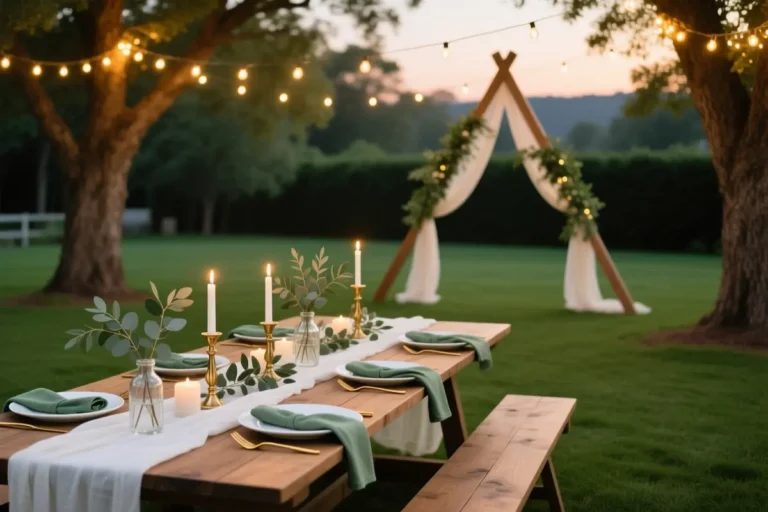
String bulb lighting draped across the garden fence turns a plain lawn into a defined dining zone.
Rent six 6‑ft wooden farm tables for $150 to $250 each and pair them with mismatched metal chairs for a rustic look that stays under $2,000 total.
A portable luxury restroom unit (≈$250) and a small generator (≈$120) cover basic needs, but remember the neighborhood’s 15‑amp circuit limit, overloading can trip the breaker and halt music.
If you can’t secure power or prefer less logistics, consider a community hall with built‑in tables.
For a splurge, choose polished pine tables with built‑in benches; budget‑friendly options are reclaimed pallets with painted legs.
DIY lighting is doable, but hiring an electrician for safe wiring is safer.
- No venue rental fee
- Customizable layout
- Hidden infrastructure costs
- Power limitations
Overloading the home’s electrical circuit can shut down music and lighting
- Rental farm tables
- Portable restroom
- Generator
- String bulb lights
- Electrical extension cords
6. Midday Cake, Punch, and Champagne Reception

A simple tiered vanilla cake with fresh berries sits beside a brass punch bowl filled with citrus‑spiked sparkling water, while a chilled bucket of brut champagne waits for toasts.
The invitation reads, “Join us for a 2‑hour cake, punch, and champagne reception, 2:00‑4:00 PM. No dinner will be served.”
This wording stops guests from expecting a full seated meal and lets you skip the pricey dinner caterer.
Plan about one bottle of sparkling wine for every three guests, then add a 10% buffer for extra toasts.
A common mistake is arranging only a few high‑top cocktail tables; without enough seats, guests will crowd the cake and spill punch.
The splurge version adds a custom sugar‑painted cake and a professional mixologist.
A budget‑friendly option uses a bakery‑made cake and a DIY fruit punch recipe.
- eliminates dinner catering cost
- reduces venue rental time
- risk of guest hunger
- limited seating for drinks
- Bakery cake and DIY punch: about $150‑$300
- Splurge with custom cake and bartender: about $800‑$1,500
Use clear “no dinner” wording on the invite to set expectations
7. Historic Library or Art Gallery Micro-Rental
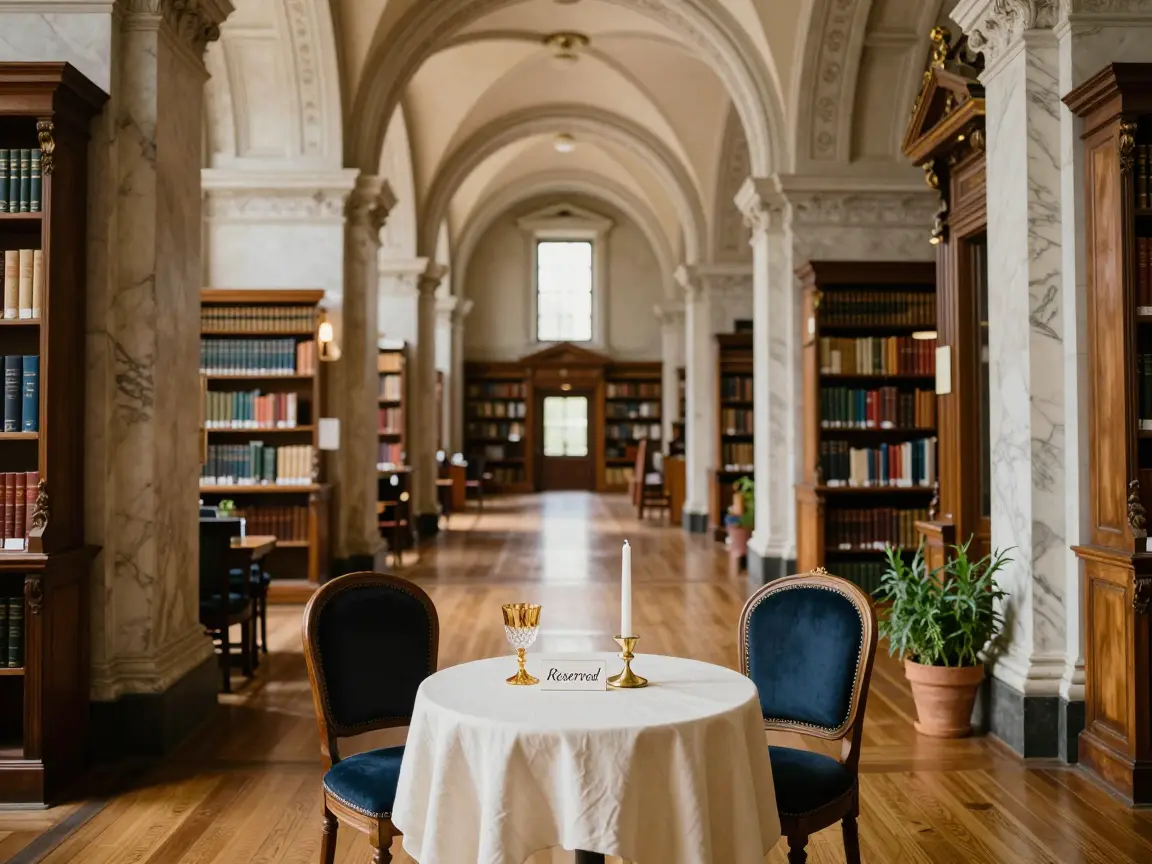
Compared to a raw industrial loft, a historic library or art gallery supplies marble columns, vaulted ceilings and original woodwork that eliminate the need for extra décor.
The space usually seats 30‑40 guests, so you stay within a micro‑wedding’s size.
Because the venue is a preserved civic building, you’ll face strict curfew times, often 9 p.m., and tight rules on red wine, open flames and catering set‑ups.
If those limits feel restrictive, a community garden pavilion offers a similar intimate scale without the preservation constraints.
For a splurge, rent a landmark museum hall with a curated tour.
For a budget‑friendly option, book a small independent gallery that charges only a modest rental fee.
- Built‑in architectural character
- Zero‑decor budget
- Curfew limits
- Preservation restrictions on food and drink
Open flames and red wine often prohibited; check venue policy before finalizing catering
8. Potted Herbs and Living Greens in Place of Cut Centerpieces

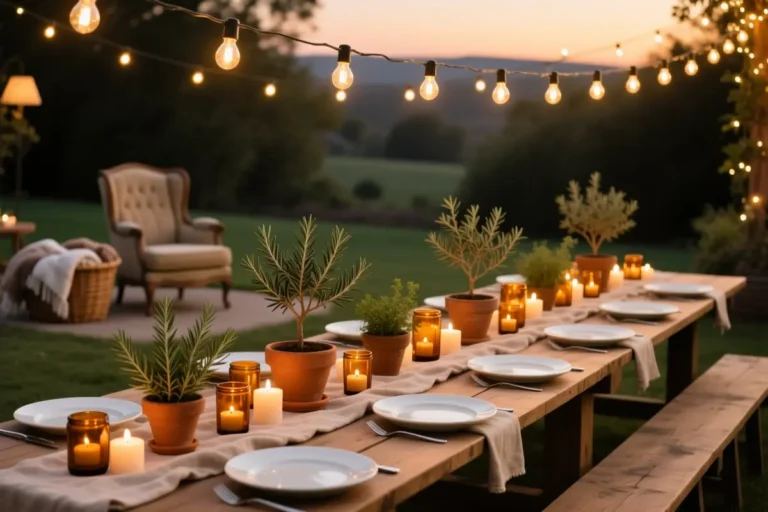
A row of terracotta pots holding rosemary, lavender and a tiny olive tree adds scent, texture and a take‑home favor for each guest.
Group three pots per table, tall olive in the center, short rosemary on one side, lavender at the other, to create visual balance without crowding plates.
Each pot runs about $12, so a ten‑guest table costs roughly $12 versus $80 for a traditional cut arrangement.
The budget-friendly option is a DIY mix of nursery‑stock herbs.
A splurge version uses larger, mature plants in decorative ceramic containers from a florist.
Keep a thin saucer under each pot and line it with a damp paper towel to trap moisture and protect linens.
Remember the soil will need a light mist the day of the ceremony, then can be left untouched until guests take them home.
- Sustainable decor
- Double as favors
- Soil may leak
- Requires watering
- DIY herbs: $12 per table
- Florist pots: $30 per table
Use three varying‑height pots for balanced tablescape
9. Three-Hour Ceremony and Portrait Photography Package
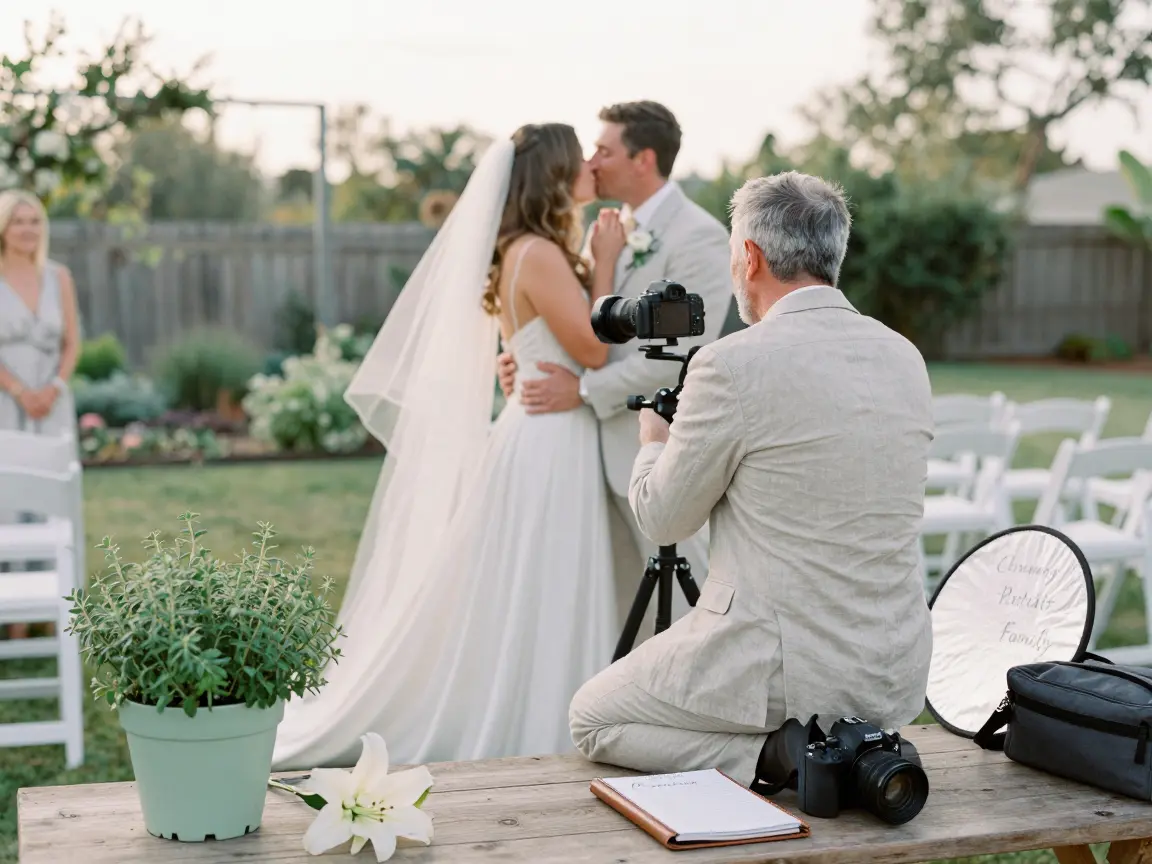
A three‑hour photographer contract often feels like a compromise, but it forces you to lock the ceremony start time and a concise shot list, so you won’t miss the vows or key portraits.
The tight window works best for intimate weddings of 30‑40 guests, where the couple and close family are the focus.
Tip: Schedule the portrait session immediately after the ceremony while emotions are fresh; rehearse a five‑minute “quick change” plan to move from vows to photos without downtime.
Splurge: Add an edited online gallery and a printed album, about $1,800.
Budget: Choose a three‑hour digital‑only package, around $1,000.
- Lower cost
- Focused coverage
- Risk of ceremony delays cutting portrait time
- Limited reception photos
- Three‑hour package: $1,000
- Five‑hour package: $1,400
Delayed ceremony start directly reduces portrait window
10. Curated Two-Drink Signature Bar Instead of Full Liquor Selection
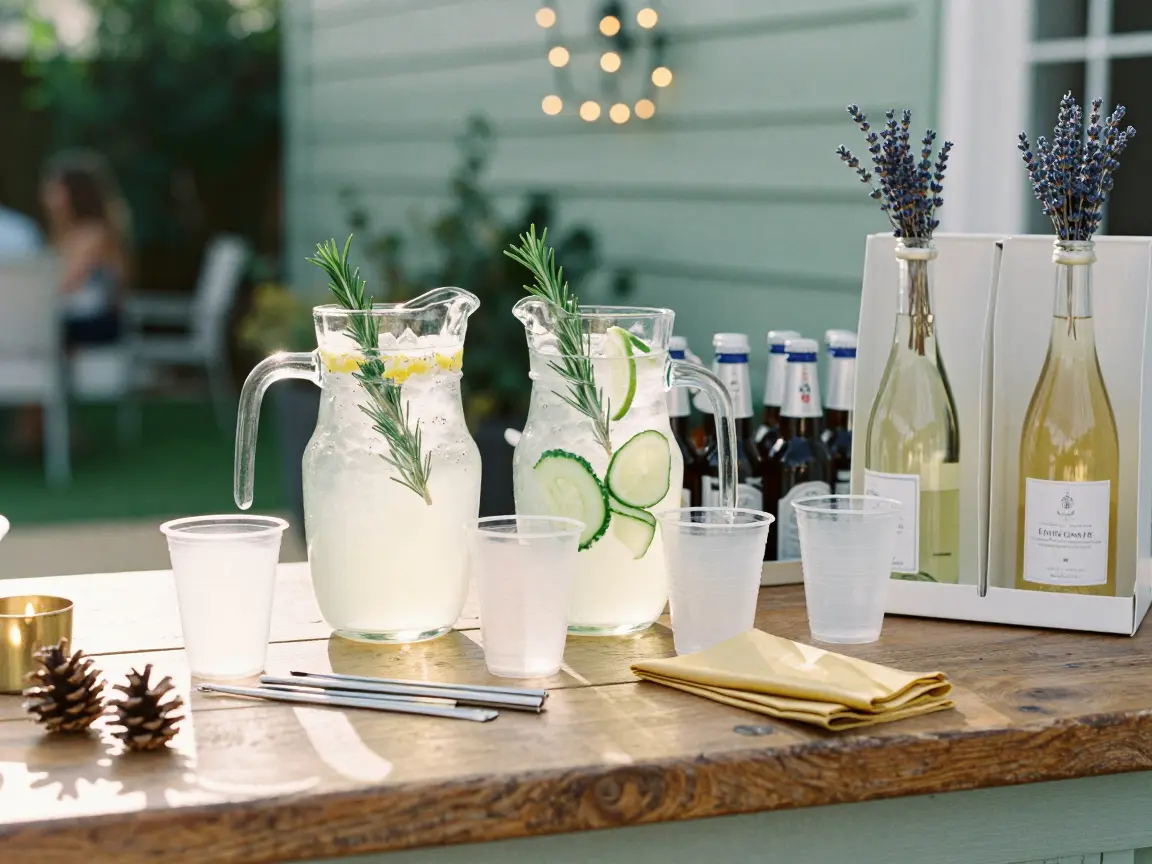
Technique‑spotlight: pre‑batch your two cocktails the night before and store them in airtight pitchers.
A spirit‑forward option like a rosemary‑gin fizz pairs with a refreshing cucumber‑lime spritz, giving guests a clear choice and keeping the bar line short.
For 30 guests, plan 60 servings total; a 1‑liter batch yields about 12 drinks, so three liters of each cocktail (roughly three 1‑liter pitchers) covers the night with a small safety margin.
Add a case of domestic lager and a half‑case of house white to round out the menu.
A splurge version uses a professional bartender and custom glassware.
A budget‑friendly version relies on your own pitchers and reusable plastic cups.
- Cuts inventory dramatically
- Keeps bar lines short
- Limits spirit variety
- May disappoint specialty‑liquor fans
- Cocktail batches: 1 L ≈ 12 drinks
- Guest count: 30, about 60 cocktail servings
- Rest of the bar: one beer and one white wine
Chill pitchers in the fridge overnight, and add sparkling elements like soda just before serving so the spritz stays fizzy
11. Public Greenhouse Ceremony with Built-In Botanical Backdrop
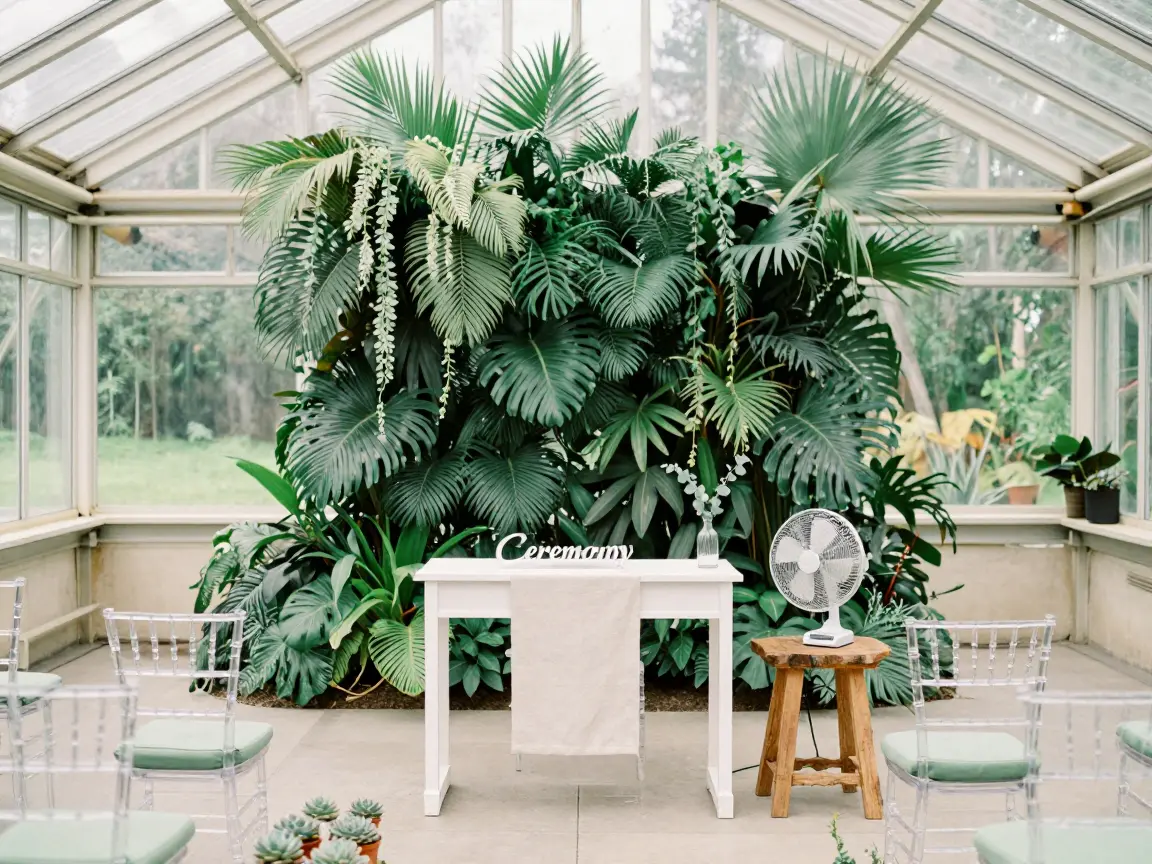
A public conservatory gives you a built‑in botanical backdrop, so you skip the florist and still get a lush, year‑round canopy of foliage.
The glass walls keep the space warm, letting guests stay comfortable even in early spring.
Book a community greenhouse that offers a dedicated ceremony slot and make sure the venue’s closing time aligns with your timeline; many close by 5 p.m. to protect the plants.
Avoid scheduling the ceremony during peak afternoon sun, as the glass ceiling can turn the room stifling and magnify humidity, which can flatten curls and weigh down fabrics.
Choose breathable fabrics like lightweight linen or cotton, and bring a small portable fan for the bridal party’s comfort.
- Lush backdrop without florist
- Warm, comfortable in cool seasons
- Humidity can ruin hairstyles
- Midday sun may become uncomfortable
High humidity may affect hair and fabrics; plan hair styling and attire accordingly
12. Sheet Cake Service with a Small Decorative Display Cake
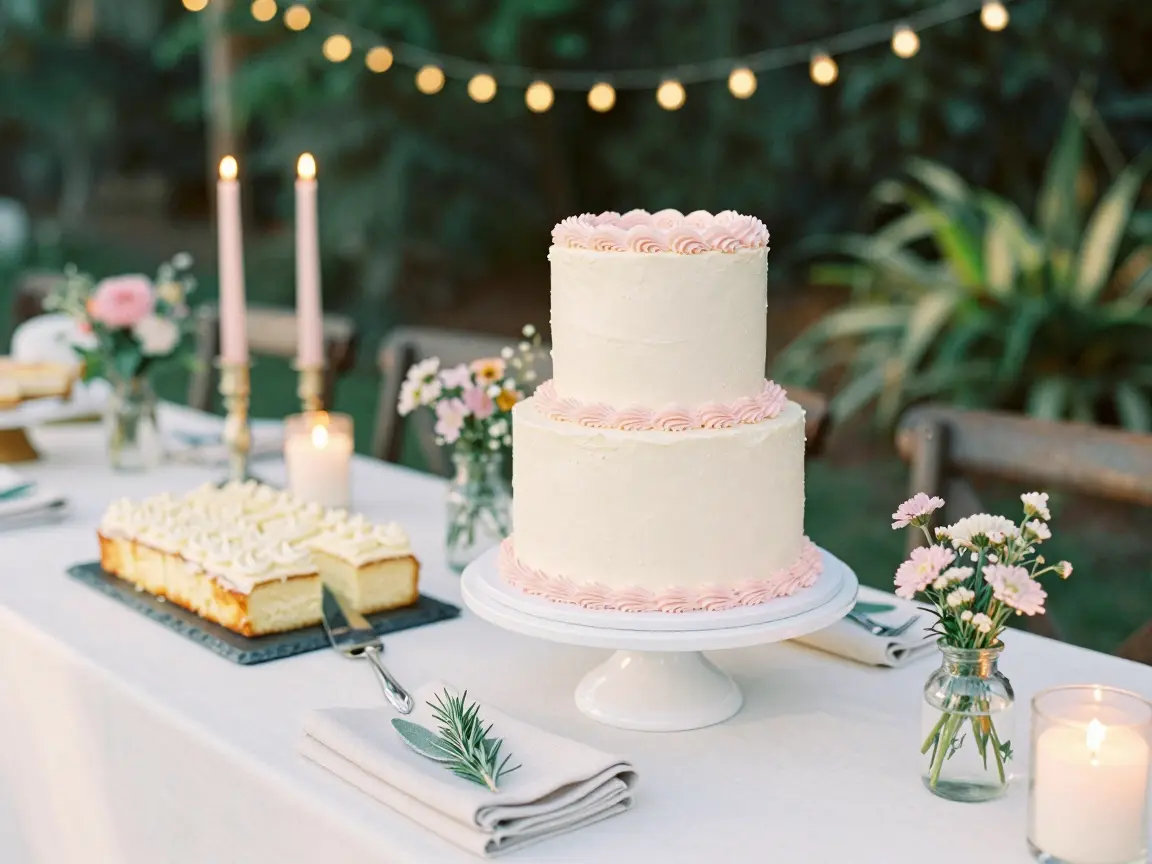
A bakery slice costs about $2, while a custom tiered slice can run $9, so the price gap is stark.
The most popular way to stretch a budget is to order a small 6‑inch, single‑tier display cake for the photo moment and serve kitchen‑cut sheet cake behind the scenes.
A small display cake typically runs $60‑$150, and a half‑sheet cake that serves about 40‑50 guests runs roughly $60‑$150 more, so the pair usually costs far less than a tiered cake for the full guest count.
The splurge version adds elaborate fondant accents to the display cake.
The budget‑friendly version keeps it simple with buttercream matching your color palette.
- high visual wow factor
- multiple flavors without extra design cost
- miss towering centerpiece in dining room
- need careful transport for tiered cake
- 6‑inch display cake: about $60‑$150
- Half‑sheet cake (40‑50 servings): about $60‑$150
Cut sheet cakes in the kitchen, then place the finished slices on a decorative platter behind the display cake for a seamless look.
13. Curated Playlist Setup with Rented Professional PA Speakers

Download a pre‑ordered 90‑minute mix onto a laptop, then rent two small powered speakers and a lapel mic for the officiant.
Set the speakers on speaker stands about three feet from the dining tables and use the laptop’s cross‑fade function to blend songs without silence.
Keep the master volume at 70 dB measured with a smartphone app; louder levels quickly drown conversation in a 30‑person room.
Assign one trusted friend to cue the mic and adjust the volume on the fly; don’t rely on Wi‑Fi streaming, which can drop and ruin the flow.
If you’d rather avoid the pressure, hire a local freelance DJ for $150 to $250; they bring their own gear and handle cues.
DIY works only if you have a confident tech‑savvy helper.
- Saves DJ cost
- Professional sound quality
- Requires attentive volume manager
- Risk of Wi‑Fi drop
- Load offline playlist
- Set speaker placement
- Test cross‑fade and volume levels
Monitor decibel level to prevent conversation disruption
14. Thrifted Mismatched Vintage Candlesticks and Stoneware

Start with a brass candlestick you rescued at a 2024 estate sale, then add a ruby‑glass hurricane and a set of ironstone plates you found a month later.
Warm metallics- brass, copper, brushed gold- keep the mismatched pieces from feeling chaotic.
Lay the stoneware on a reclaimed wood runner; the neutral base lets the colorful glass pop without clashing.
After the reception, clean each item with a gentle dish soap, dry thoroughly, and list them on a local vintage marketplace; similar collections often sell for 30 % to 50 % of their original thrift cost.
If you’re short on time, a single vintage candlestick paired with a modern clear glass holder costs about $30, while a curated set from a specialty shop can run $150 to $250.
- Eclectic high‑end look
- Resale potential
- Months of hunting
- Heavy hauling
Stick to one warm metal tone to unify mismatched pieces
15. Digital Stationery Suites with Letterpress Keepsake Menus
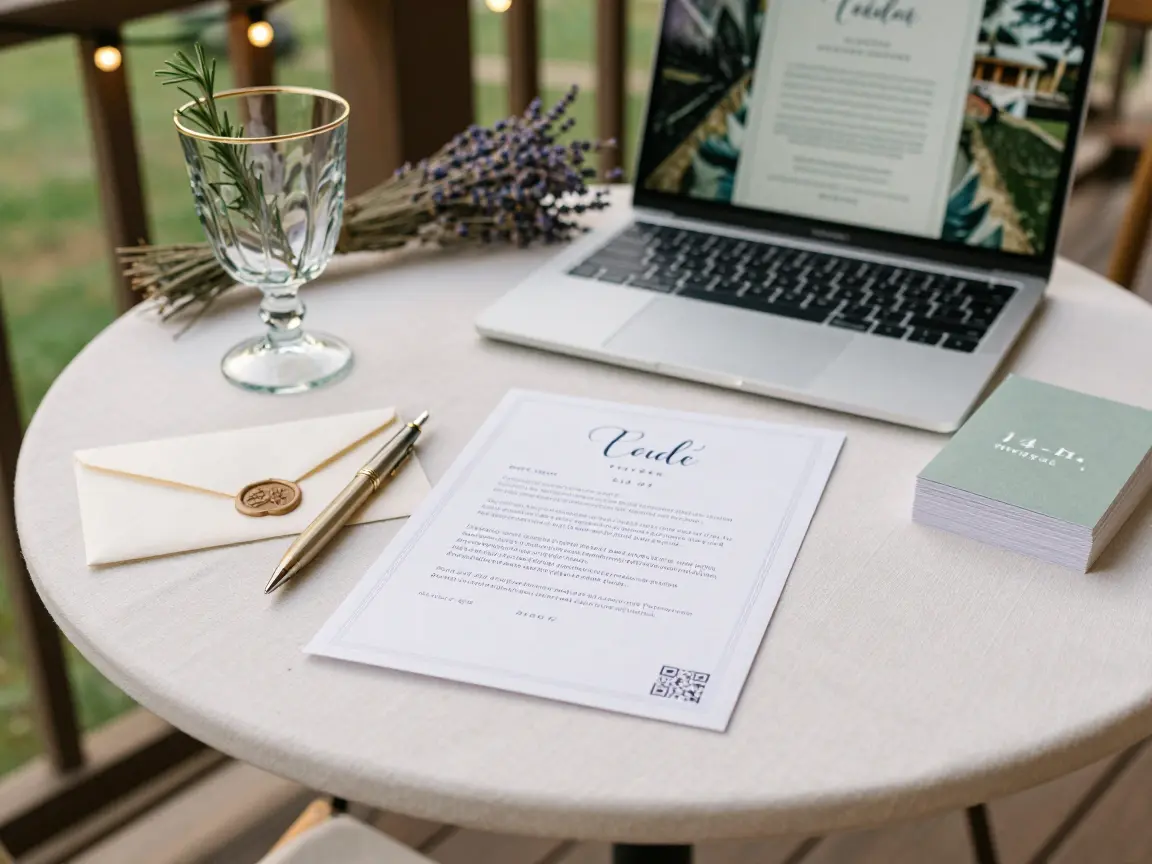
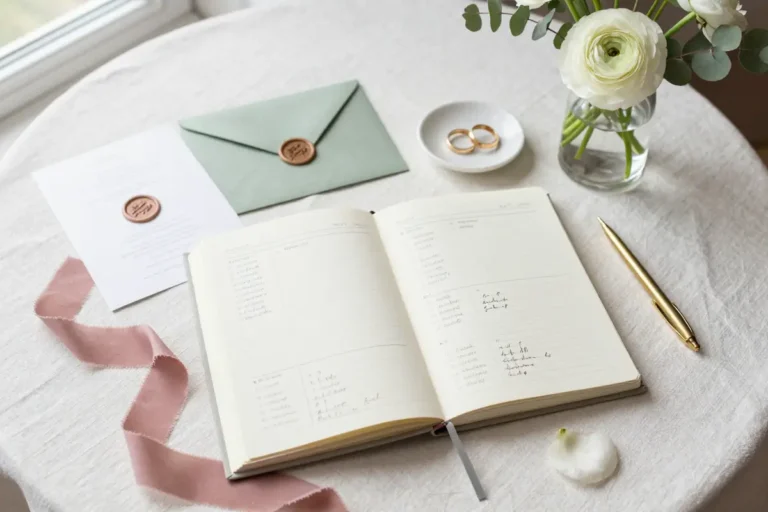
A digital invitation suite cuts postage and paper costs, but it also strips away the tactile excitement of a mailed card and forces you to help guests who aren’t comfortable clicking links.
Use an online RSVP platform for the save‑the‑date and ceremony details, then reserve all printing funds for a single‑sheet, letterpress menu at each place setting.
Choose 100‑lb cotton paper for a luxe feel, around $2 to $4 per sheet, while a 14‑pt cardstock option runs $0.60 to $1 per sheet for a budget‑friendly version.
Print the menu in one color to keep the press cost low, and include a QR code that links to the full menu for guests who prefer a digital copy.
For older relatives, print a small card with the QR code and a short URL, then call them to walk through the steps.
- Saves postage, reduces waste
- Loses tactile tradition, requires guest assistance
- Cotton letterpress menu: $2 to $4 per sheet
- Cardstock menu: $0.60 to $1 per sheet
Include a QR code and a short URL on a printed card for non‑tech‑savvy guests
16. Weekday Twilight Vows Followed by Dessert and Port

A Thursday twilight ceremony at 6:30 p.m. lets you lock in venue rates that drop 20 %‑30 % compared with weekend evenings, and many caterers and musicians offer weekday discounts for the same reason.
Schedule a brief 20‑minute vows exchange, then serve a simple dessert bar with pastries, fruit, and a glass of port; this avoids the cost and logistics of a full dinner.
Guests finishing work can arrive by 5:30 p.m., giving them time to settle before the ceremony.
This format shines for intimate gatherings of 30‑50 people and works best when most attendees live locally; out‑of‑town guests would need to take a half‑day off, which can be a barrier.
- Lower venue cost
- Vendor weekday discounts
- Out‑of‑town guests need time off
- Limited dinner options
Not ideal for couples expecting many distant relatives who can’t miss work
17. Local Flower Market Bulk Buckets Arranged in Bud Vases
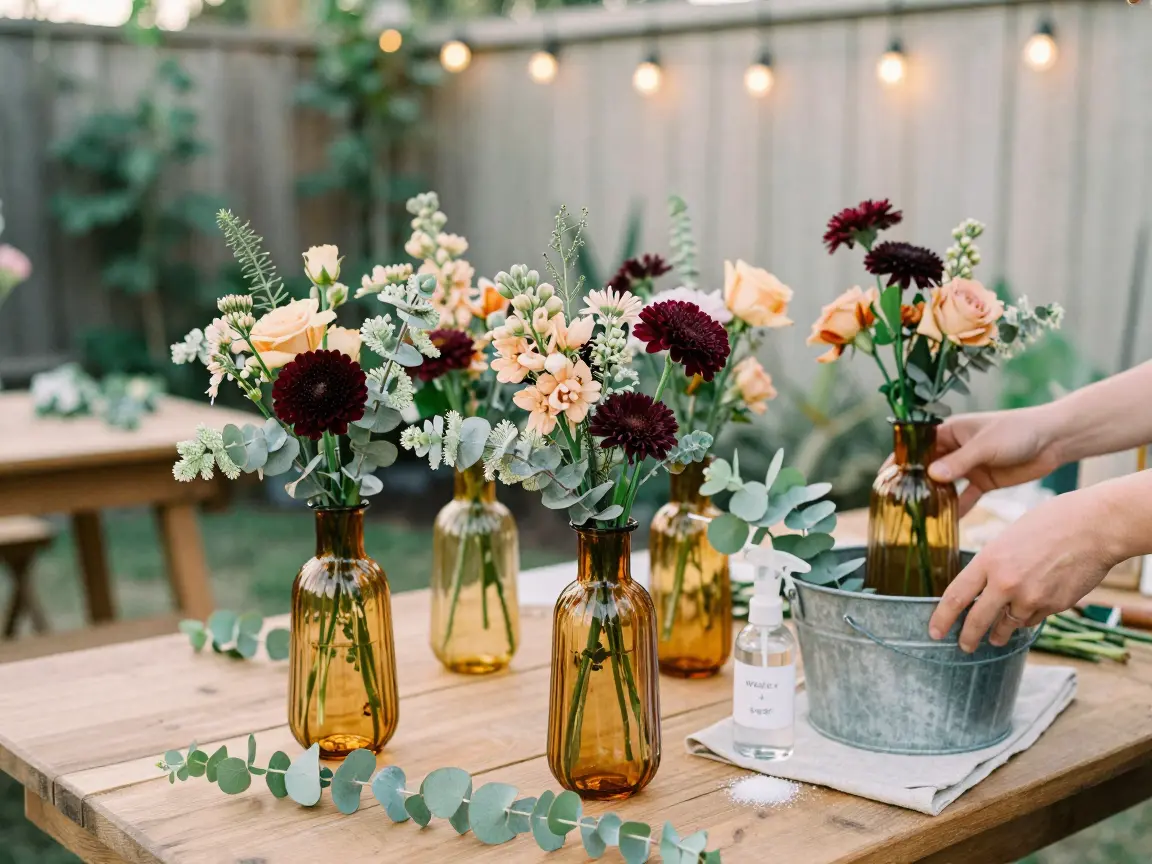
The technique‑spotlight is soaking stems in lukewarm water with a pinch of sugar 24 hours before arranging.
Buy a bulk bucket of mixed stems at the local flower market, then split them into clusters of one to three stems per amber or fluted bud vase.
Choose a color palette of one focal hue, a complementary filler, and a textural green for visual depth.
A common mistake is stripping too few leaves; any foliage below the waterline rots and clouds the water, so strip it before arranging. Bud vases don’t need floral foam.
This look can be DIY if you have a few prep hours, but hiring a florist saves time and guarantees consistent hydration.
For a splurge, opt for hand‑blown glass vases; budget‑friendly options include recycled acrylic bud jars.
- Zero design skill needed
- Easy bulk pricing
- Requires 24‑hour prep
- Fragile blooms wilt without fresh water
- Soak stems overnight
- Trim and condition stems
- Arrange 1‑3 stems per vase
18. Standalone Dessert Table and Artisan Coffee Cart

A sleek white cart holds a rotating display of mini lemon tarts, pistachio macarons, and seasonal fruit galettes from the neighborhood bakery, while a barista pulls espresso shots into hand‑crafted latte art cups.
Guests linger, chat, and snap photos of the moving station, turning dessert into a social hub rather than a static table.
A splurge version hires a high‑end Italian espresso machine with a built‑in grinder and a polished copper cart, costing roughly double a standard venue coffee service.
A budget‑friendly option uses a portable 12‑volt coffee maker and a simple wooden crate, still delivering the interactive feel.
If the venue’s wiring is old, this setup can overload circuits and trip breakers, so confirm amperage limits before booking.
If power constraints or a very small space prevent a cart, a pre‑plated dessert platter on a single table works just as well.
- Interactive guest experience
- Fresh bakery goods
- High electrical draw
- Requires venue power check
Verify venue’s circuit capacity to avoid breaker trips
Small Wedding Budget Allocation Checklist (Under $8,000)
This checklist breaks down a percentage‑based budget for a 25‑guest celebration (roughly $8,000 or less) so you can see exactly where each dollar should land.
- Venue (≈30%): Book a private dining room, park pavilion, or historic micro‑rental; the fee covers space and basic permits while staying intimate.
- Dining & Food (≈35%): Direct funds to a family‑style banquet, brunch, or two‑drink bar; prioritize quality ingredients over a large menu.
- Photography (≈15%): Secure a three‑hour ceremony and portrait package; a skilled photographer can capture both vows and candid moments.
- Attire (≈10%): Set a cap for dress or suit, shoes, and accessories; thrifted vintage or simple designs stretch the budget.
- Flowers & Greenery (≈5%): Opt for potted herbs, bulk market buckets, or thrifted candlesticks; they look fresh and are reusable.
- Misc & Contingency (≈5%): Keep a small buffer for permits, transport, or unexpected fees; track receipts for any last‑minute rentals.
The most common slip is under‑budgeting the contingency; keep a modest buffer to cover surprise costs without derailing the plan.
Frequently Asked Questions
How to plan a small intimate wedding on a budget?
Start by capping the guest count strictly between 20 and 40 people, which slashes catering and rental expenses immediately. Next, prioritize a non-traditional venue like a private dining room, municipal park, or greenhouse where tables, seating, and ambiance already exist, reducing decorative and production overhead.
What is considered a realistic budget for a small wedding?
A realistic budget for a small wedding of 25 to 40 guests typically ranges from $3,000 to $8,000. This range comfortably covers a restaurant dining minimum, professional photography for three hours, marriage licensing, personal attire, and modest floral accents.
Where should you not cut corners when planning a micro wedding?
Do not skimp on guest food quality, sufficient drink quantities, or baseline comfort items like weather protection and seating. Cutting costs on an amateur photographer is also frequently regretted, as capturing high-quality portraits requires experienced lighting skills regardless of event size.
How do you tell people they are not invited to a small wedding?
Keep the message direct, warm, and focused on venue constraints rather than budget limitations. State plainly that you are exchanging vows in an immediate-family or intimate gathering due to space limits, and arrange a casual drinks meetup or send announcement cards after the event.